Quick Take
Maison Shanghai 2026 showed how furniture, materials, retail design, lifestyle products and experiential displays can work together as commercial tools. For overseas retailers, brands, project buyers, content teams and product developers, the show offered practical examples of how products can be positioned, combined and presented for different customers and spaces.
Observed on-site by BoleChinaExpo in Shanghai on September 7, 2026.
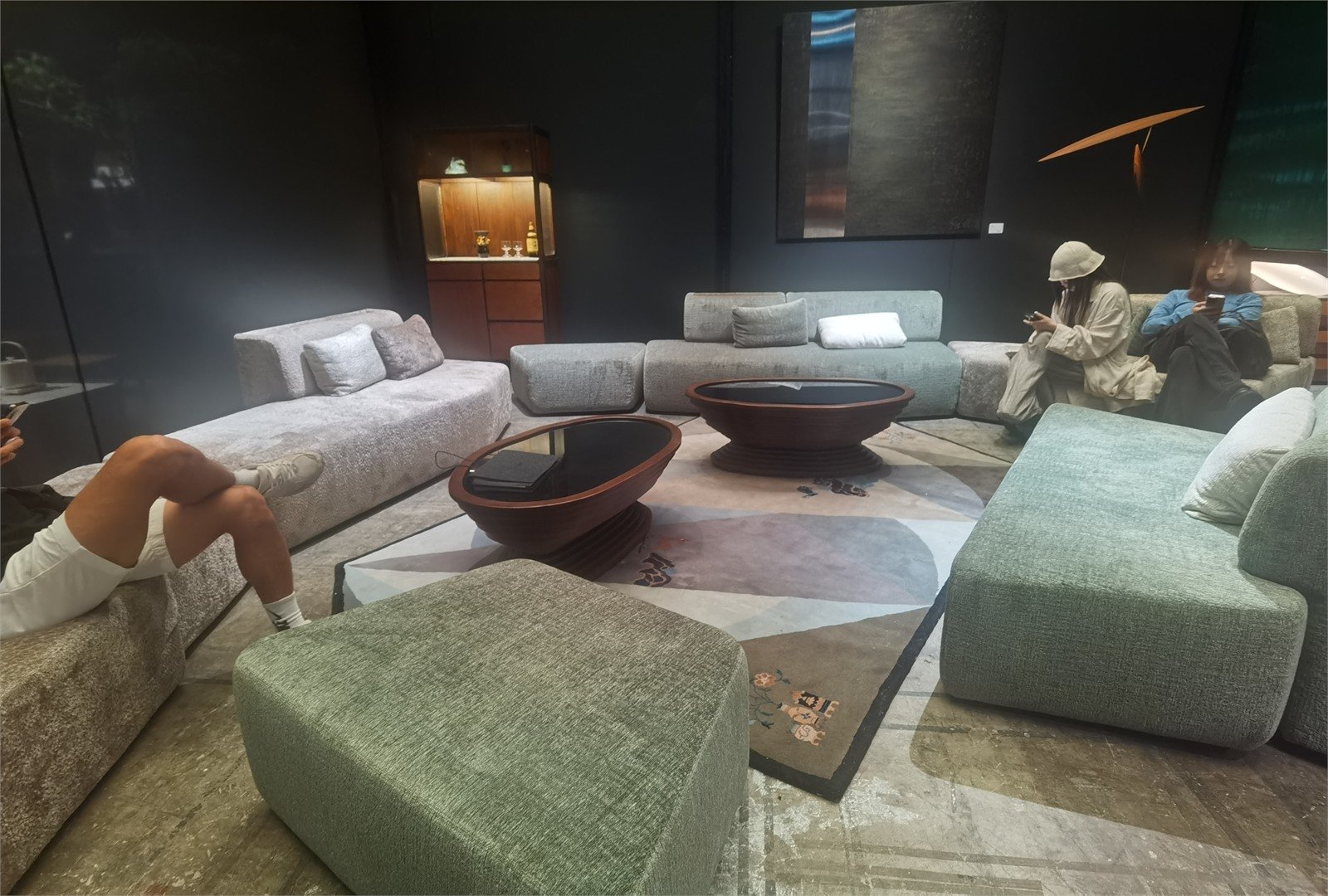
Walking into Maison Shanghai 2026 felt different from entering a conventional furniture fair organised mainly by product category.
Furniture, materials, art installations, retail displays, lifestyle products and design events were mixed into the same environment.
Some areas felt like showrooms. Others felt like stores, galleries or experimental installations.
For overseas retailers, brands, project buyers, content teams and product developers, the show offered more than a list of things to buy. It also showed how products can be packaged, combined and placed into different commercial settings.
What You Can Find Here
What Can Retailers Learn from Maison Shanghai’s Scenario-Based Merchandising?
Maison Shanghai’s official 2026 structure was organised around four themed halls:
- H1 — Beauty of Living
- H2 — New Channel Selection
- H3 — Design Highlands
- H4 — Future Presence
For retailers, H2 “New Channel Selection” is particularly relevant because its themes include compact living, third spaces, designer homes, long-rental living and curated product selection.
Here, third spaces refers broadly to social and commercial environments outside the home and workplace, such as cafés, shared spaces and other places where people spend time.
These are not simply exhibition labels. They reflect different consumption settings.
The same product may be able to move beyond the conventional “living room furniture” category and enter:
- single-person living;
- rental apartments;
- cafés and shared spaces;
- designer projects;
- small commercial spaces;
- lifestyle retail.
That creates more ways to think about assortment planning and merchandising.
How Can Furniture Brands Turn a Product into a Stronger Retail Story?
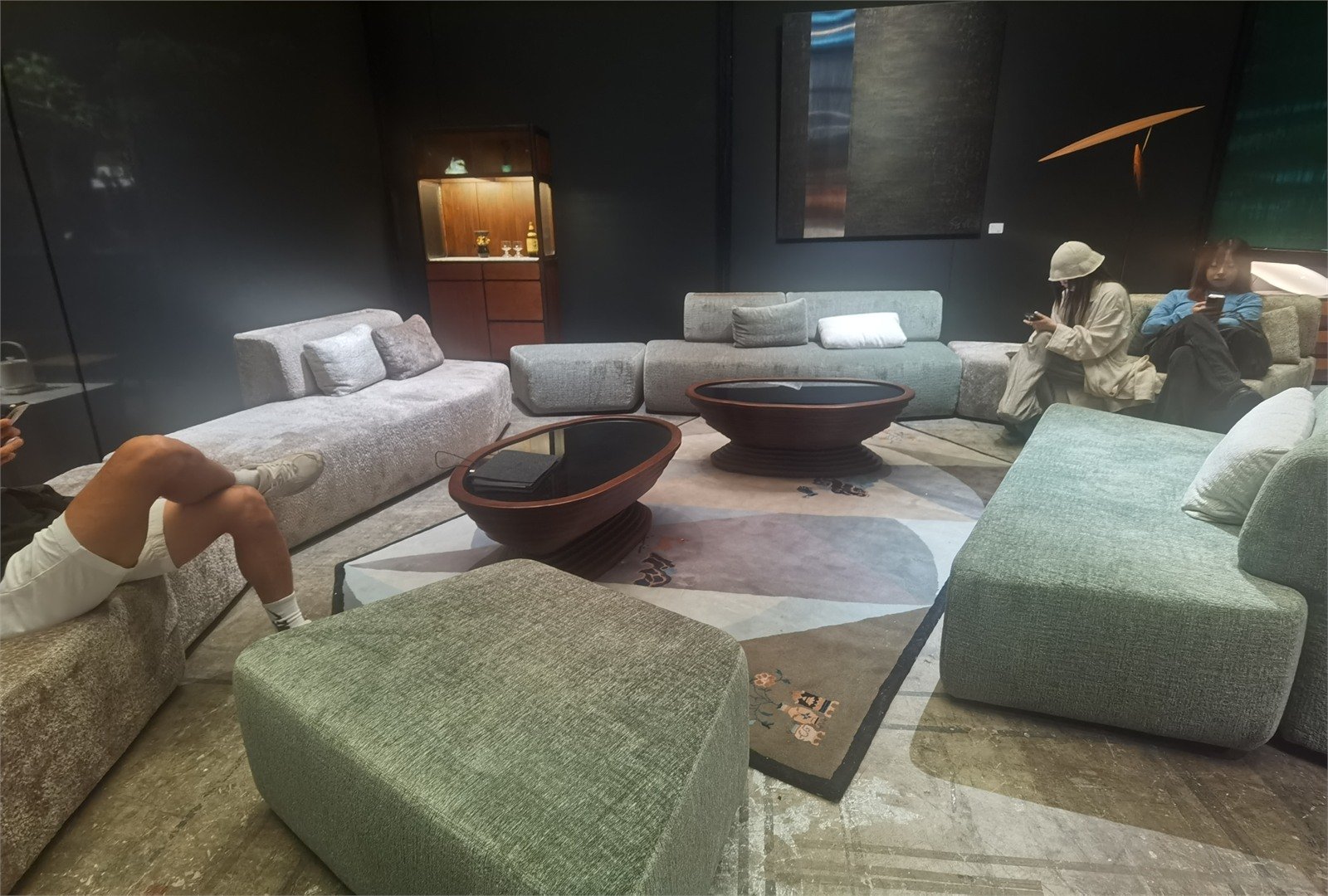
Several areas we recorded looked closer to lifestyle retail than to traditional trade-show booths.
Colour, material, objects and spatial design were used together. Art and installation elements helped create stronger memory points.
For a brand, that provides a practical reference:
A product can be communicated not only through specifications, but through a complete setting that helps customers understand where it belongs, what it works with and what kind of lifestyle it represents.
For businesses that rely on e-commerce, social media, physical retail or showroom experiences, this approach can translate into:
- product-page visuals;
- short-form video;
- store merchandising;
- product bundles;
- collaborations;
- pop-up retail;
- scenario-based product selection.
How Can Project Buyers Combine Furniture, Materials and Space?
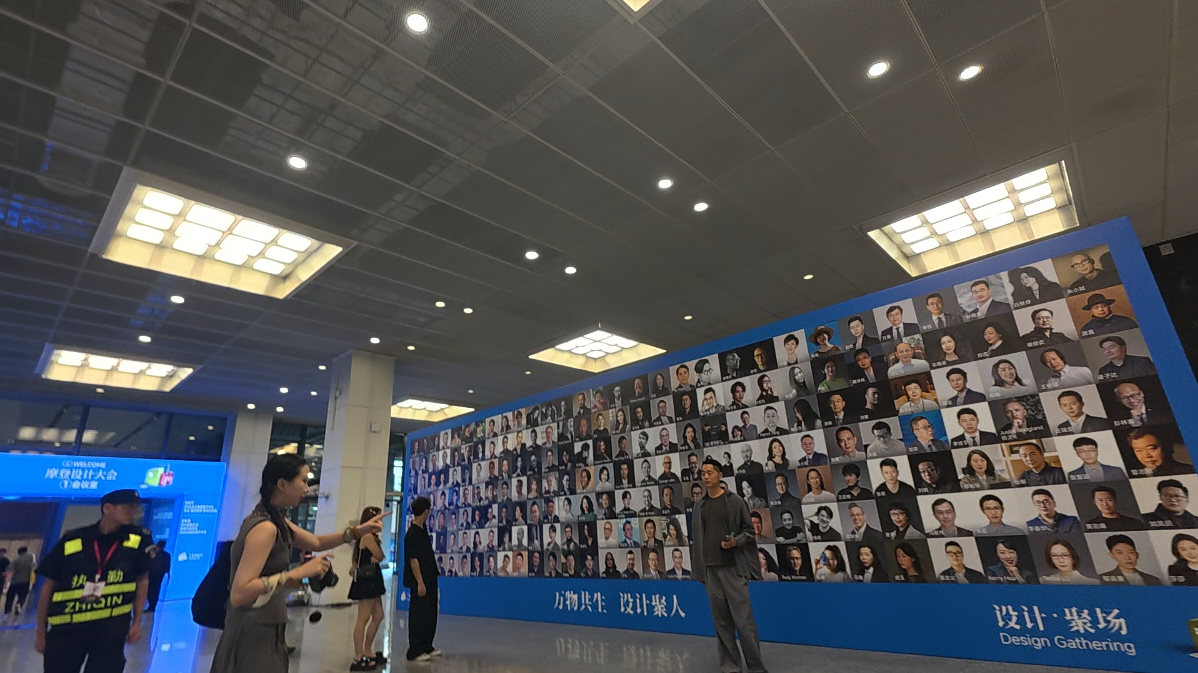
Maison Shanghai also places strong emphasis on materials, design and spatial use.
For project buyers working with hotels, offices, commercial interiors or residential developments, this opens a different way to use the show.
Instead of evaluating a product in isolation, you can look at:
- material combinations;
- furniture and soft-furnishing systems;
- colour and surface relationships;
- how products work inside a complete space;
- whether a design can move from concept into repeatable delivery.
That can be especially useful when a project needs more than one product category from the same design language.
Why Are Design and Retail Spaces Becoming Content Assets?
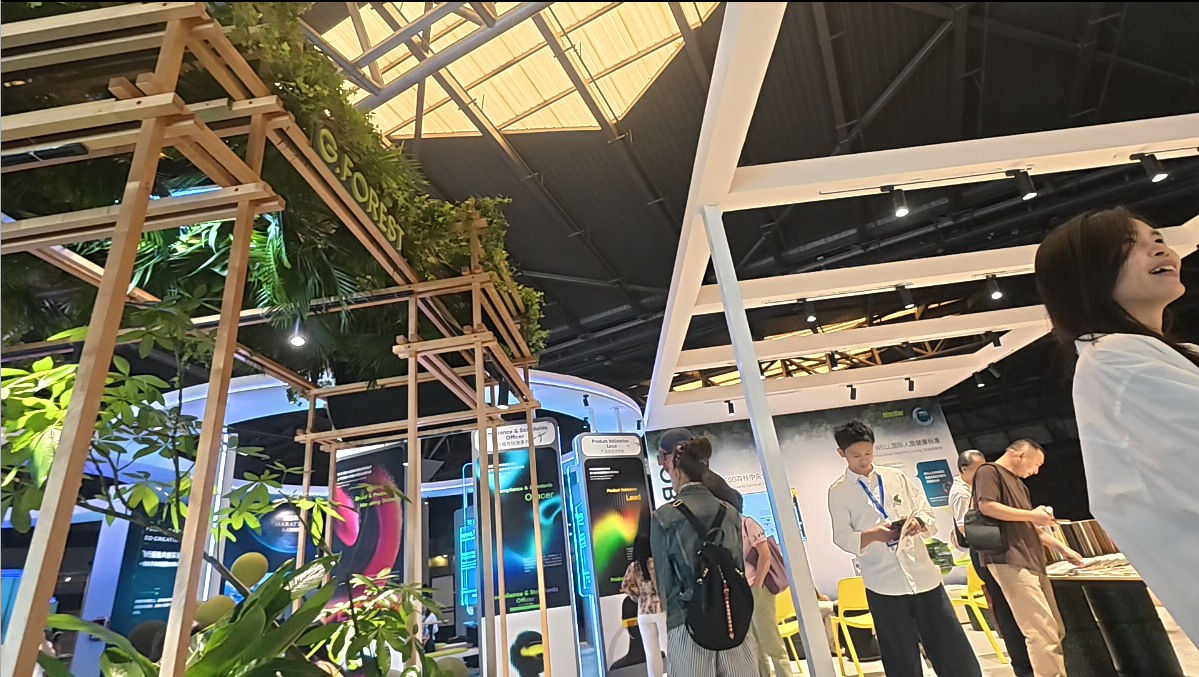
One of the confirmed events we recorded was “Collaboration Beyond Boundaries: Design, Art, Dialogue, Future.”
That framing captures something visible across the show: design is increasingly connected with art, storytelling, retail and experience.
For content-led brands, creators and marketing teams, exhibition environments like these can provide ideas for:
- campaign concepts;
- product storytelling;
- behind-the-scenes content;
- retail installations;
- creator collaborations;
- experiential launches.
H4 Future Presence, confirmed as an official themed hall rather than a single forum title, also brings together intelligent living, outdoor living, art, designer works, limited-edition design and related lifestyle categories.
That combination makes the show relevant to businesses outside traditional furniture retail as well.
How Can Materials Support Furniture Product Development and Differentiation?
Materials are not only a supply-chain issue. They can also become a product-development and branding tool.
Material choices influence:
- appearance;
- texture;
- colour;
- sustainability messaging;
- price positioning;
- product storytelling;
- compatibility with different interiors.
For businesses with a mature core product, changing the material or finish can be one way to create a new version without redesigning the entire product from scratch.
Examples include:
- using a different surface material to shift style;
- combining furniture with soft furnishings to create a family of products;
- using distinctive materials for designer channels;
- making the material story part of content marketing.
This logic can extend beyond furniture into gifts, lifestyle products and commercial interiors.
Maison Shanghai as a Set of Business Modules
One of the most useful things about Maison Shanghai is that “design” does not remain only an aesthetic question.
The show connects:
product → material → space → retail → content → consumer experience
Different overseas visitors can enter that chain at different points:
- Retailers can study merchandising and curation.
- Brands can study product language and visual communication.
- Project buyers can study material and spatial combinations.
- Content teams can study installations, IP and lifestyle storytelling.
- Product developers can study materials, original design and limited collections.
It is not one fixed path. It is a set of commercial modules that can be recombined.
For businesses looking for stronger product differentiation, Maison Shanghai raises a useful question:
Not only “what can I buy here?” but “how else can these products be organised, presented and sold?”