Quick Take
At Furniture China 2026 — the China International Furniture Expo — overseas buyers could use the same show for very different goals: finished-product sourcing, product development, cross-border e-commerce selection, smart categories, project sourcing and supply-chain discovery. The exhibition’s broad category mix makes it possible to organise a visit around your business model rather than follow one fixed sourcing path.
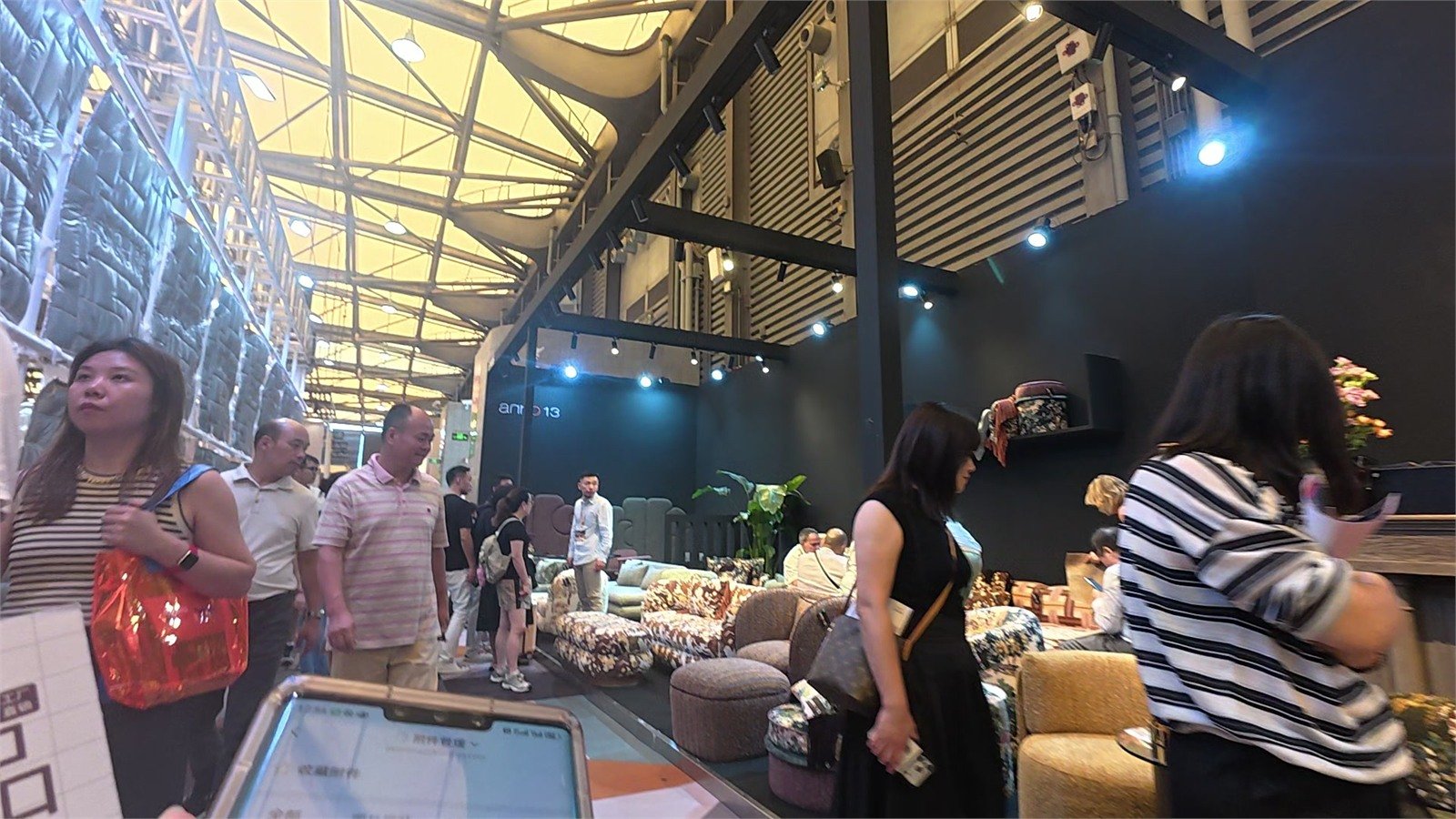
Observed on-site by BoleChinaExpo at the Shanghai New International Expo Centre (SNIEC) on September 8, 2026.
We visited Furniture China 2026 at SNIEC on September 8.
The most obvious feature was the breadth of the show.
Modern furniture, international brands, original design, upholstered furniture, sleep products, outdoor products, office furniture, materials, hardware and fabrics all sat within the wider exhibition ecosystem.
For overseas buyers, that means there is no single “correct” way to use the show.
A retailer, e-commerce seller, product developer and project buyer can all walk through the same exhibition and focus on completely different resources.
What You Can Find Here
How Can Overseas Buyers Source Finished Furniture at Furniture China?
Furniture China’s official categories include:
- modern furniture;
- international brands;
- branded design;
- commercial furniture;
- garden and outdoor furniture;
- sofas and upholstery;
- living-room and bedroom concepts;
- sleep products;
- dining furniture;
- office furniture;
- soft decoration;
- furniture materials, hardware and fabrics.
If you already know what you need, this structure makes it possible to enter the show directly by category.
For example:
- home retailers can compare living-room, bedroom and upholstered furniture;
- outdoor sellers can focus on garden and exterior-living products;
- hospitality and office buyers can prioritise commercial and workplace furniture;
- sleep-product distributors can compare beds, mattresses and related categories.
How Can Furniture Buyers Move from Finished Products into Product Development?
Furniture China is held alongside manufacturing, component and material resources.
That means a visit does not have to stop at finished goods.
You can continue upstream into:
- fabrics;
- hardware;
- furniture materials;
- manufacturing technologies;
- components;
- upholstery and sleep-related supply.
For brands developing their own products, this creates more combinations.
If a finished-product idea has already been validated, you can explore whether to:
- change the material to create a new price point;
- add function through different hardware;
- use fabric to reposition the style;
- create new sizes or product families;
- combine capabilities from several suppliers into your own product concept.
The show can therefore be used not only for ready-made sourcing, but also as a product-development and supply-chain discovery platform.
What Should Cross-Border E-commerce Teams Look for at a Furniture Trade Show?
For cross-border e-commerce teams, the most useful products are not always the same ones that dominate a physical showroom.
You may want to look at:
- visual distinctiveness;
- product size and shipping implications;
- how easily a feature can be explained in video;
- whether the product fits a clear use case;
- how many variations can be created without making the range too complex.
A visually memorable chair, compact outdoor product or differentiated sleep product may have a very different online opportunity from a large project-only item.
Furniture China’s broad category mix makes it possible to compare those models in the same trip.
Which Smart Furniture Categories Are Emerging at Furniture China?
At the DeRUCCI (慕思) booth, a Chinese sleep-products brand, we recorded an AI-assisted sleep experience with beds, data displays and interactive demonstrations.
That does not mean smart products dominate the exhibition. Traditional furniture, design, materials and conventional home products remain a major part of the show.
But smart sleep demonstrates a clear additional direction:
furniture can move from being a static object toward sensing, data, adjustment and service.
If your business already works in:
- smart home;
- sleep technology;
- hospitality;
- wellness;
- connected consumer products;
you may find new opportunities where furniture and digital functions overlap.
For a focused product example, see the DeRUCCI T12 smart mattress case study.
How Can Project Buyers Source Across Multiple Furniture Categories?
Project buyers can use the show differently from retailers.
A hotel, office, residential or commercial project may require several categories at once:
- seating;
- tables;
- beds;
- soft furnishings;
- outdoor products;
- materials;
- customised elements.
Instead of looking for one product at a time, project sourcing can focus on whether different resources can be combined around a single space or specification.
That makes the show useful for comparing both products and potential supply-chain structures.
How Can One China Furniture Show Support Several Supply-Chain Goals?
Our local footage also showed international brands and national or regional exhibition elements, including Türkiye-related displays.
That creates a useful comparative environment.
Overseas visitors can look at differences in:
- design language;
- scale and proportions;
- material preferences;
- brand presentation;
- target-market positioning.
The same trip can therefore support several goals at once:
- source finished products;
- identify new product directions;
- find materials and components;
- explore design cooperation;
- examine smart-product categories;
- compare different supply-chain combinations.
Furniture China does not require one “right way” to visit.
A practical approach is to start with your business objective and then decide which halls, products and resources deserve most of your time.