Quick Take
At Shanghai’s 2026 furniture and woodworking shows, WMF — the International Exhibition on Woodworking Machinery and Furniture Manufacturing Equipment — and CIFF Shanghai — the China International Furniture Fair (Shanghai) showed how automation, flexible production, new retail, international cooperation and material innovation are creating more options across China’s furniture supply chain. For overseas buyers and brands, the useful question is which of these capabilities may fit their own product, production, channel or market model.
Observed on-site by BoleChinaExpo in Shanghai on September 6, 2026.
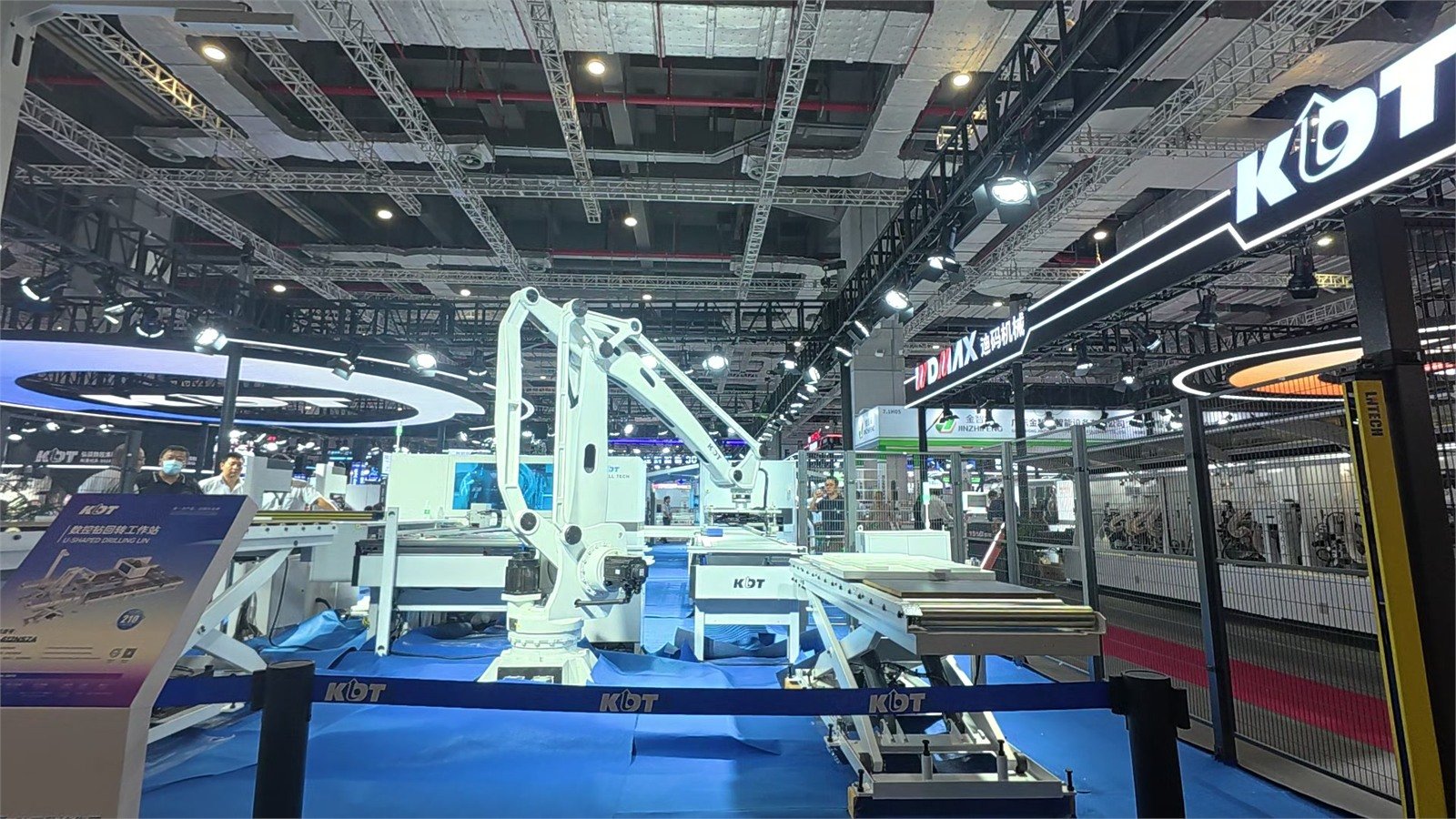
On September 6, we spent the day moving between WMF 2026 and CIFF Shanghai 2026 at the National Exhibition and Convention Center (Shanghai).
Seen together, the two shows told a useful story.
One side of the venue was showing how furniture is being made: CNC systems, automated processing, flexible production and integrated manufacturing. The other side was talking about how furniture is being sold, positioned and taken to new markets: new retail, overseas expansion, materials and channel innovation.
For an overseas buyer, brand, e-commerce team or sourcing business, that means the value of the show goes beyond collecting supplier names. It is also a chance to see which capabilities could be added to your own product, production, channel or market system.
What You Can Find Here
How Is Automated Woodworking Being Used in Chinese Furniture Manufacturing?
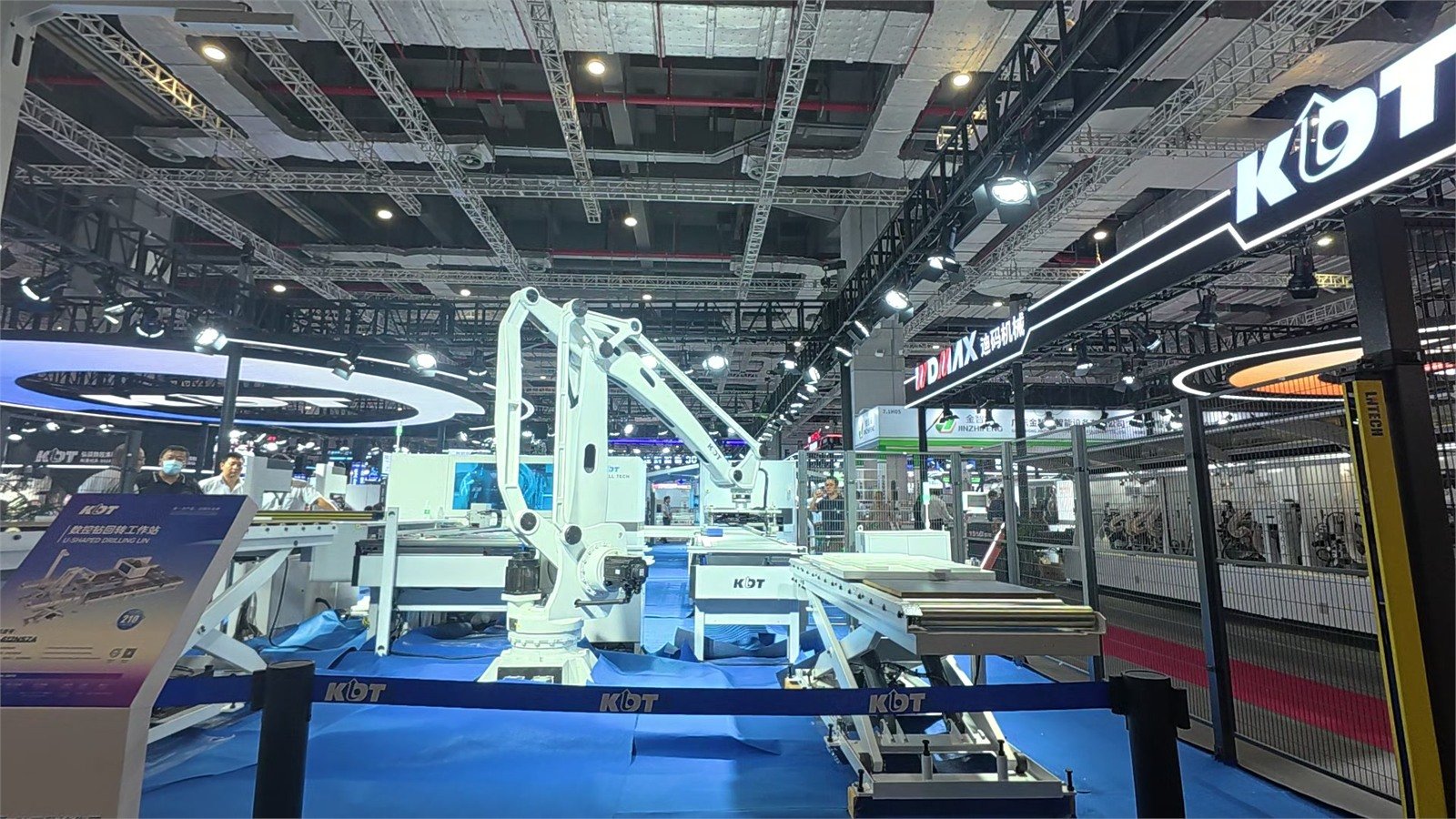
WMF’s official materials describe a wider shift from conventional woodworking machinery and CNC processing toward automation, flexible manufacturing, digital factories and intelligent production.
At the show, this was visible in operating machinery rather than just presentation screens.
WMF materials highlight applications such as:
- CNC cutting and automatic tool changing;
- ERP, barcode and production-scheduling integration;
- PUR and laser edge-banding;
- in-line inspection and trimming;
- automated loading and unloading;
- intelligent sorting;
- AGV-supported warehousing and packaging;
- five-axis machining;
- AI-assisted material selection and panel matching;
- CAD/CAM and MES integration.
For panel furniture, these systems are already relevant to multi-SKU production, mixed batches, frequent order changes and customisation. In solid-wood processing, similar technologies can support complex shapes, precision machining, material selection, sanding and finishing.
What could this mean for your business?
If your business handles smaller batches, more product variations or customised orders, useful questions include:
- Can one production line switch efficiently between different products?
- Can design data flow directly into production?
- Can multiple processes connect with less manual handling?
- Can cutting, inspection, sorting and packing form a more continuous workflow?
These capabilities are not limited to finished furniture. Businesses working with cabinetry, doors, panels, engineered wood, wood-plastic products or bamboo-based products may also find relevant applications.
The point is not that every business needs full automation. The opportunity is that buyers now have another dimension to compare: not only what a supplier makes, but how its production system fits the way you sell and order.
How Is “New Retail” Changing Furniture Sales Channels in China?
CIFF Shanghai 2026 was organised around the themes of design, digital intelligence and sustainability.
Its official materials also highlighted a dedicated new-retail furniture area and matchmaking between brands, channels and dealers.
In this context, New Retail can be understood as an omnichannel model that combines online customer acquisition, physical retail, local commerce and content-led discovery.
At the show, we recorded the event “New Retail, For Real! 2026 Home Furnishing New Retail Conference”, which made this shift visible in a more practical way.
The opportunity is not a simple online-versus-offline choice. It is the growing number of combinations available to a furniture brand:
- e-commerce for customer acquisition;
- physical retail for product experience;
- local-commerce platforms for conversion;
- commercial spaces for exposure;
- creators and content channels for discovery.
If your business already works in cross-border e-commerce, creator-led commerce — including influencer marketing and social shopping —, brand distribution or independent retail, this type of retail model is worth watching because it brings product, content, channel and experience into the same commercial system.
For overseas partners, cooperation may therefore begin in more ways than a traditional bulk purchase. Possible entry points include:
- joint product selection;
- channel partnerships;
- content collaborations;
- local display or showroom projects;
- market testing.
What International Cooperation Paths Are Chinese Furniture Brands Exploring?
One of the events we recorded that day focused on international expansion for Chinese home-furnishing and building-material brands.
CIFF’s own international promotion has also expanded through multilingual communication, overseas outreach and buyer engagement in markets including Southeast Asia, the Middle East and Central Asia.
Taken together, these activities suggest that international business is becoming a more structured part of how Chinese furniture companies present themselves and build channels.
For overseas buyers, distributors and business-service companies, this creates more possible cooperation formats, including:
- direct sourcing;
- brand agency;
- regional distribution;
- project cooperation;
- local market testing;
- cross-border e-commerce selection;
- joint marketing.
Different businesses can use different models. A distributor, a content-led retailer and a project buyer may all look at the same Chinese supplier ecosystem from very different angles.
How Can Materials and Finishes Create More Product Variations?
We also recorded a forum focused on new decorative-surface materials and processing technologies.
Materials, edge treatments, laminates, coatings and surface finishing may sound like factory-side topics, but they directly shape:
- visual appearance;
- tactile feel;
- durability;
- cost structure;
- batch consistency;
- speed of product development.
If you already have a proven core product, materials and finishes can become a relatively direct way to create new versions for different markets or price points.
The same furniture structure can be repositioned through:
- new surface materials;
- different edge treatments;
- alternative colour and texture combinations;
- different finishing techniques.
This is one reason it is useful to look at WMF and CIFF together: manufacturing technology, material capability and market positioning increasingly connect across the same supply chain.
Which Furniture-Supply-Chain Capabilities Could Fit Your Business Model?
The September 6 visit did not produce one universal “best” answer. It showed several capabilities that can be combined in different ways:
- Automation and flexible manufacturing — relevant to efficiency, customisation, multi-SKU production and consistency.
- New retail and channel integration — relevant to brands, e-commerce teams, creators and retailers looking for more customer touchpoints.
- International promotion and overseas cooperation — relevant to sourcing, distribution, regional partnerships and market testing.
- Materials and finishing innovation — relevant to differentiation, product development and new price positioning.
A useful question for an overseas business is:
Which of the capabilities now expanding in China’s furniture supply chain could strengthen your own product, production, channel or market system?
The answer will differ by company. The value of the show is that more of those options can now be seen in one place.
For a buyer-focused follow-up, see the Furniture China 2026 sourcing guide.
Source Notes
Local evidence is based on the confirmed September 6 WMF + CIFF media review.